
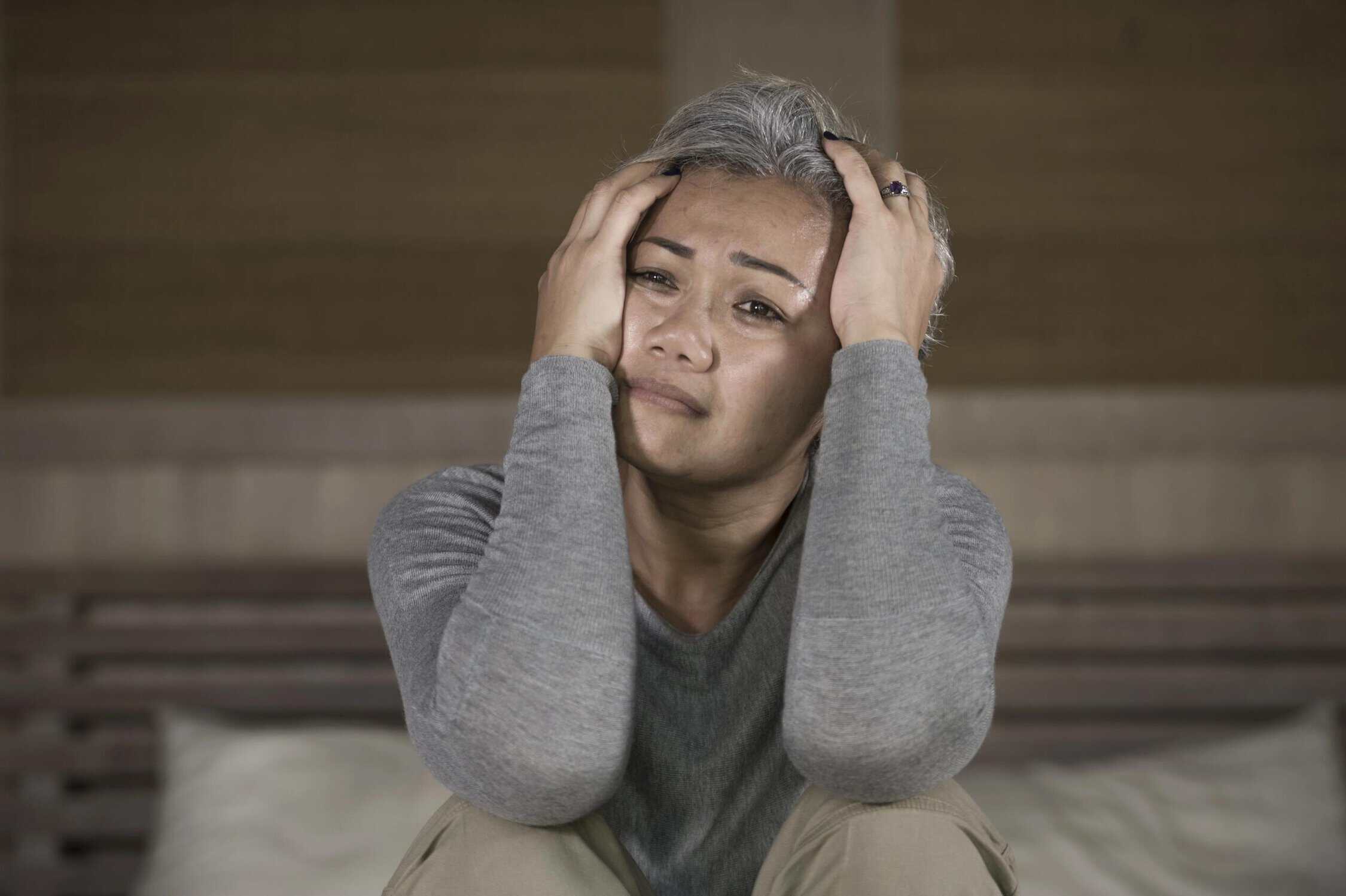
Fear of abandonment, constant worry about a partner’s feelings, and an overwhelming need for reassurance in close relationships can make even healthy connections feel fragile and unstable. These patterns are often rooted in early childhood experiences and may indicate an anxious preoccupied attachment style that, with the right professional support, can shift toward a more secure attachment style over time. Understanding this condition is about recognizing a learned response, and discovering that it can be changed with patience, support, and the right tools.
Attachment anxiety in adult relationships
Attachment theory, developed through research in human development, describes how early childhood experiences with a primary caregiver shape the attachment pattern a person carries into adult relationships. The anxious preoccupied attachment style is one of the insecure attachment styles identified alongside fearful avoidant and dismissive avoidant patterns, and it is marked by emotional hunger, constant reassurance-seeking, intense anxiety when a partner seems emotionally distant, and difficulty tolerating mixed signals without significant anxiety. Anxiously attached people often struggle with low self-esteem, feel insecure in secure relationships, become overly dependent on an avoidant partner or secure partner, and experience deep fear around rejection that disrupts mutual understanding and mutual respect in romantic relationships and family members’ relationships alike. A full overview of related mental health conditions we treat is available for patients and families who want to learn more.
What is anxious preoccupied attachment?
You might be wondering exactly what anxious preoccupied attachment is. It is an insecure attachment style defined by a deep fear of abandonment. People with an attachment style, anxious preoccupied, crave emotional closeness. They often worry intensely about their relationships. This constant worry can feel overwhelming. However, it is vital to know that this is not a personal failure. It is an adaptive survival strategy.
Psychologist John Bowlby explored these concepts in his foundational attachment theory. He explained how infants adapt to their caregivers. Children learn specific behaviors to get their needs met. What is anxious-preoccupied attachment in adults? It is simply that early childhood system still trying to protect you. Your brain learned that relationships are fragile. It developed these responses to keep you safe from rejection.
Many people experience overlapping types of anxiety alongside relationship fears. These behaviors were necessary once, but they can be unlearned. Clinicians validate this experience without pathologizing it. They view your reactions as a logical response to an unpredictable past. A well-known overview of adult attachment theory supports this perspective. Your brain is reacting to perceived threats. You can absolutely move toward a secure attachment with the right support. You are not broken. You are simply running on an outdated survival script.
Signs of anxious-preoccupied attachment style
Recognizing your attachment patterns is a brave first step. These signs are not a diagnostic tool. They are simply prompts for self-reflection. You might notice some of these social anxiety signs in your daily life.
- Constant need for reassurance. A deep fear of rejection leads to seeking regular validation of love and commitment.
- Intense fear of abandonment. You might feel overwhelming panic when a partner seems distant or unavailable.
- Clinginess and dependency. You might struggle with being alone. Separation from your partner can cause severe distress.
- Jumping to conclusions. You might over-analyze a partner’s mood or text messages. Neutral events are often seen as signs of rejection.
- High partner value. You might view yourself negatively while putting your partner on a pedestal.
These behaviors stem from a state of hypervigilance. Researchers Ein-Dor and Tal studied this phenomenon. They found that anxious individuals detect emotional threats very rapidly.
This creates a highly sensitive emotional radar. It is actually a superpower in many contexts. You can notice subtle shifts in a room that others completely miss.
However, this radar can also exhaust you. Some studies on the impact of hypervigilance show it depletes your mental energy. Your nervous system is working overtime to keep you safe.
What Causes Anxious Preoccupied Attachment?
Our earliest relationships form the blueprint for how we connect today. The roots of an anxious attachment style often trace back to infancy. Caregivers who offer inconsistent responses can create confusion. Sometimes they are warm and available.
Other times, they might be distracted or emotionally unavailable. A child learns that love and safety are unpredictable.
This inconsistency disrupts the child’s secure base. They cannot form a reliable expectation of support. This dynamic is rarely about a lack of love. Many families face severe systemic stress.
Caregivers might struggle with their own mental health or financial burdens. This often leads to a caregiver’s emotional hunger impacting the child.
We must approach this history with immense compassion. Blaming parents entirely ignores the complex realities many families face. Your attachment system simply adapted to the environment it was given.
Early childhood experiences
Unpredictable parenting forces a child to stay on high alert. They develop hypervigilance to monitor their caregiver’s mood. They learn that they must amplify their emotional needs to get attention. Crying louder or clinging tighter becomes a learned survival tool.
If you experienced this, your brain learned to stay on guard. Your nervous system remains wired for this inconsistency. Exploring childhood trauma in adults can help explain these lingering effects. Your reactions today make complete sense based on your past. You learned that connection requires constant effort and vigilance.
Understanding this root cause is incredibly empowering. It proves that your anxiety is a learned behavior. Learned behaviors can always be changed.
How It Affects Relationships
Your attachment style deeply impacts your adult connections. The anxious-preoccupied individual often holds a negative view of themselves. At the same time, they tend to idealize their partners. This creates a significant imbalance of power. It often leads to severe emotional dependency. You might feel that you need your partner to feel whole.
| Attachment style | View of self | View of others | Relationship behavior |
|---|---|---|---|
| Anxious-preoccupied | Negative and insecure | Positive and idealized | Seeks constant reassurance, fears abandonment |
| Secure | Positive and worthy | Positive and trustworthy | Comfortable with intimacy and independence |
| Dismissive-avoidant | Positive and self-reliant | Negative and untrustworthy | Avoids emotional closeness, values independence highly |
This dynamic often triggers the anxious-avoidant trap. An anxious person seeks a lot of closeness and reassurance. An avoidant partner feels overwhelmed and pulls away. This withdrawal reinforces the anxious partner’s deep insecurities. They pursue even harder. The avoidant partner then distances themselves further. Building empathy in relationships can help bridge this painful gap. You can learn to communicate without activating each other’s core fears.
Cycles of closeness and distance
Couples often fall into exhausting cycles of closeness and distance. The anxious partner pursues intimacy heavily. The avoidant partner retreats to regain a sense of safety. This leads to intense emotional shifts and painful conflict.
Minor distances, like a delayed text message, can feel like massive betrayals. The anxious partner might act out to force a connection. This cyclical pattern drains both people over time. Recognizing this cycle is the very first step toward breaking it. You can learn to step out of the pursuit and find your own center.

How to overcome anxious-preoccupied attachment
Many people ask how to overcome anxious-preoccupied attachment. You might also wonder how to fix anxious-preoccupied attachment style. The truth is that healing takes time and consistent effort. However, you can absolutely develop an earned secure attachment. The question of what is anxious preoccupied attachment style often brings up fear. But this pattern is highly treatable. You can rewire your brain for safety and trust.
Practice self-awareness
Notice your reactions before you act on them. When you feel triggered by a partner’s distance, pause and breathe. Use a self-soothing technique to calm your nervous system. You might try deep breathing, journaling, or taking a short walk.
Mindfulness helps you stay in the present moment. It creates valuable space between your triggers and your responses. Establishing personal boundaries is also crucial here. Learn to communicate your needs calmly and directly. Focus on your own hobbies and friendships to build self-worth outside the relationship.
Seek Professional Support
Therapies like cognitive behavioral therapy provide highly effective tools. Cognitive behavioral therapy (CBT) helps challenge your irrational thoughts about abandonment. Dialectical behavioral therapy (DBT therapy) enhances your emotional regulation skills. Attachment-based therapy helps you process those early childhood wounds safely.
Red Ribbon Mental Health offers the structured support Indiana residents deserve. Our intensive outpatient program (IOP mental health) provides a safe space for deep healing. Our PHP mental health program offers intensive, structured mental health treatment for patients whose anxious preoccupied attachment style co-occurs with more serious mental health conditions such as social anxiety disorder, severe depression, or other diagnoses requiring daily clinical support beyond standard outpatient rehab.
Seeking help aligns with strong Midwestern values. Taking care of your mental health allows you to show up better for your family. It is a powerful act of commitment to your community. You do not have to navigate this heavy burden alone.
Getting help for anxious preoccupied attachment
The anxious preoccupied attachment style develops for real reasons, and it is not a permanent trait. Anxiously attached people can develop self-awareness, self-compassion, healthy communication skills, and the self-soothing techniques needed to build secure relationships and move toward a more secure attachment style.
Red Ribbon Recovery Mental Health uses programs backed by the best evidence available in human development and adult attachment research. Whether your attachment anxiety co-occurs with social anxiety disorder, depression, codependency, or other mental health conditions that have disrupted your close relationships, emotional wellbeing, and own needs, our clinical team is ready to help. Contact us today or call (317) 707-9706 to ask about same-day admissions and take the first step toward a more secure attachment style.
Frequently asked questions
The anxious preoccupied attachment style is an insecure attachment style rooted in early childhood experiences with inconsistent or unpredictable parenting, marked by intense anxiety in close relationships, constant reassurance-seeking, emotional hunger, deep fear of abandonment, and difficulty feeling secure even in stable, healthy relationships.
Anxious attachment typically develops through early childhood experiences in which a parent’s behavior was inconsistent or unpredictable, leaving the child uncertain about whether emotional support would be available. This unpredictable parenting creates a deep-seated fear of abandonment that carries into adult attachment and romantic relationships.
Yes, with professional support including attachment-based therapy, CBT, DBT, and EMDR, anxiously attached individuals can develop self-awareness, self-compassion, and self-soothing techniques that support a gradual shift toward a more secure attachment style over time.
Anxious preoccupied attachment involves craving emotional closeness and becoming overly dependent or constantly seeking reassurance, while fearful avoidant attachment involves both craving and fearing intimacy, often resulting in mixed signals and cycles of push and pull in close relationships.
Social anxiety disorder and anxious preoccupied attachment frequently co-occur, as both involve intense anxiety in interpersonal situations, fear of negative evaluation, and difficulty feeling secure in relationships. A mental health professional can assess both and build a treatment plan that addresses each alongside the other.
Sources
- University of Illinois. (n.d.). A brief overview of adult attachment theory and research. Department of Psychology, University of Illinois.
- ICSW. (April 17, 2023). Bowlby’s attachment theory: Psychodynamic therapy. ICSW.
- PMC – NIH. (January 28, 2022). Attachment and the development of psychopathology. PMC – NIH.
- U.S. National Library of Medicine. (February 2, 2012). Attachment insecurity and strategies for regulation: When emotion does and doesn’t work. PubMed.
- PMC – NIH. (December 27, 2013). The impact of hypervigilance: Evidence for a forward feedback loop. PMC – NIH.
- PMC – NIH. (n.d.). An attachment perspective on psychopathology. PMC – NIH.
- PMC – NIH. (May 1, 2025). Attachment as a primary mechanism in physician cognition and decision making. PMC – NIH.
- PMC – NIH. (April 11, 2017). From the cradle to the grave: The effect of adverse caregiving environments on attachment, emotion regulation, and psychopathology in early life. PMC – NIH.
- University of Illinois. (October 31, 2024). Genetic and environmental contributions to adult attachment styles. University of Illinois.
- PMC – NIH. (September 4, 2009). Environmental and genetic influences on early attachment: After the twin studies, what next?. PMC – NIH.
- PMC – NIH. (February 24, 2023). Exploring the association between attachment style, psychological well-being, and relationship satisfaction. PMC – NIH.