
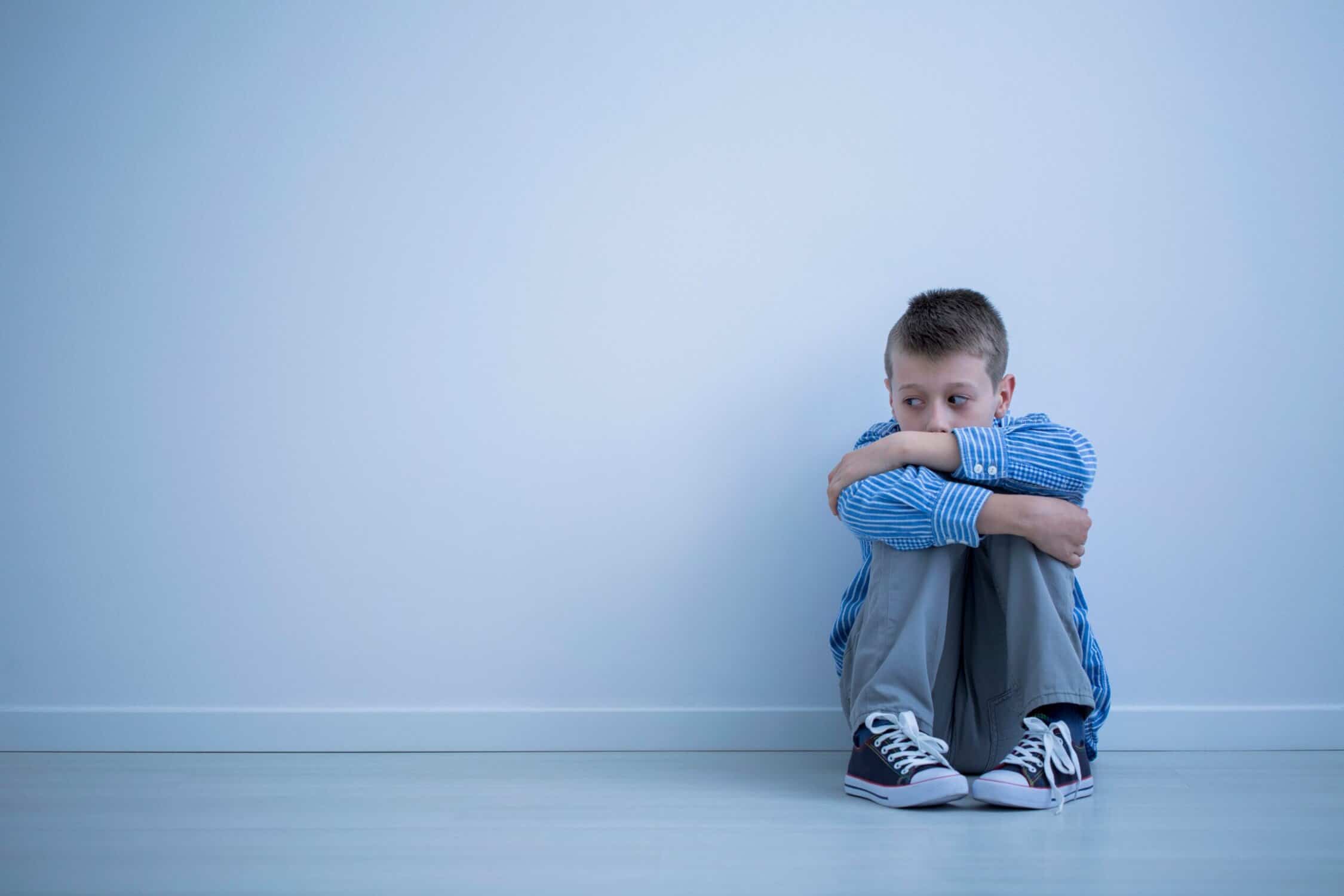
Watching your child struggle with worry can leave you feeling helpless. One moment, they’re playing freely, and the next, they’re overwhelmed by fears that seem to come out of nowhere. It’s natural for parents to wonder what’s normal and when it’s time to seek help. The good news is that childhood anxiety is manageable, and with the right support, you can help your child learn to navigate their feelings and build resilience. Finding the right childhood anxiety treatment is about understanding your child’s unique needs and creating a supportive path forward for your whole family.
What are the signs and symptoms of anxiety in children?
First, parents need to know that some level of anxiety is a completely normal part of growing up. Feeling nervous about the first day of school or scared during a thunderstorm is typical. The concern arises when these fears become persistent and interfere with everyday life. Anxiety in children doesn’t always look like it does in adults. Sometimes, it’s not about them saying “I’m worried,” but about showing it through their actions and even physical complaints.
The signs and symptoms of pediatric anxiety disorders can generally be grouped into three main categories:
- Emotional symptoms. This is what we most often associate with anxiety. It can include excessive worry about things like school performance, friendships, or future events. A child might seem more irritable, restless, or have trouble concentrating. They may constantly seek reassurance or seem to be on edge.
- Behavioral symptoms. Anxiety often causes children to avoid situations that trigger their fears. This might look like refusing to go to school, avoiding social gatherings, or not wanting to be separated from a parent. You might also notice clinginess, crying spells, or tantrums that seem out of proportion to the situation.
- Physical symptoms. Sometimes, a child’s body is the first to signal that something is wrong. Frequent stomachaches, headaches, muscle tension, or trouble sleeping can all be physical manifestations of anxiety. These symptoms are very real to the child, even if a doctor can’t find a medical cause.
The key differentiator between normal childhood fears and a potential pediatric anxiety disorder or panic disorder is the impact on daily functioning. When these symptoms persist for weeks or months and interfere with your child’s ability to enjoy school, make friends, or participate in family activities, it may be time to look into potential anxiety and depression in children. Understanding these signs is the first step toward getting your child the support they need.
Types of anxiety in children
Childhood anxiety isn’t a one-size-fits-all condition. It can show up in several different ways, and understanding the specific type of anxiety your child may be experiencing can help you find the most effective support. Some of the most common types of anxiety disorders in children include:
- Generalized anxiety disorder (GAD). This involves excessive, ongoing worry about many different things, rather than one specific fear. For example, a child with GAD might constantly worry about their schoolwork, their family’s health, and world events.
- Social anxiety disorder. This is an intense fear of social situations or being judged by others. A child with social anxiety might be terrified of speaking in class, eating in the cafeteria, or going to birthday parties.
- Separation anxiety disorder. While it’s normal for young children to feel sad when a parent leaves, this disorder involves an extreme fear of being away from caregivers. For instance, a child might refuse to go to school or have nightmares about being separated from their family.
- Specific phobias. This is an intense, irrational fear of a specific object or situation. A child might have a phobia of dogs, storms, or needles that triggers immediate and severe anxiety.
What causes anxiety in children?
If you’re wondering what causes anxiety in your child, please know that it’s rarely just one thing. There isn’t a single switch that flips. Instead, it’s usually a combination of factors that come together, and it’s never your fault or your child’s fault. Think of it like a puzzle where genetics, brain chemistry, and life experiences are all different pieces.
Some children are simply born with a more cautious or sensitive temperament. They might be naturally shy or more quickly affected by stress. Genetics can also play a role; anxiety can sometimes run in families, so if a parent or close relative has an anxiety or panic disorder, a child may be more likely to experience it too. This doesn’t mean it’s certain; it just means there might be a predisposition.
Environmental factors are another significant piece of the puzzle. Stressful life events, like moving to a new town, a divorce, or the loss of a loved one, can trigger anxiety. Ongoing stress, such as academic pressure or bullying at school, can also contribute. Sometimes, even witnessing traumatic events can lead to what is known as toxic stress, which can disrupt a child’s developing brain and increase their vulnerability to anxiety. It’s all about how these different elements interact, creating a unique picture for every child.
How anxiety disorders in children are diagnosed
Getting a diagnosis can feel like a big, intimidating step, but it’s really just about getting a clear picture of what’s going on so you can find the right help. The process usually starts with a conversation. Your first stop is often your child’s pediatrician. They can conduct an initial check-up to rule out any physical health issues that might be causing the symptoms, like an overactive thyroid.
If there are no underlying medical conditions, the pediatrician will likely refer you to a mental health professional who specializes in working with children, such as a psychologist or a psychiatrist. This specialist will conduct a more comprehensive evaluation. This isn’t a scary test; it’s mostly a conversation.
The therapist will talk with you and your child, sometimes together and sometimes separately, to understand the specific fears, behaviors, and symptoms you’ve been noticing. They might also use standardized questionnaires or rating scales to help measure the severity of the anxiety. This thorough assessment helps them understand the full context and make an accurate diagnosis, which is the foundation for creating an effective treatment plan.
Childhood anxiety treatment
The most important thing for parents to hear is that pediatric anxiety disorders is highly treatable. With the right support, children can learn to manage their fears and live happy, confident lives. There isn’t a magic wand, but there are proven, evidence-based treatments that make a real difference. The two primary approaches are psychotherapy and medication, and they are often used together for the best results.
The right childhood anxiety treatment depends on several factors, including your child’s age, the severity of their symptoms, and the specific type of anxiety they have. For mild anxiety, therapy alone is often enough. For more moderate to severe cases, a combination of therapy and medication may be recommended. The goal is always to find the least intensive, most effective approach that fits your family’s needs. A thorough assessment with a mental health professional can help determine the best path forward. Exploring the available options is a proactive step toward helping your child feel better.
Cognitive behavioral therapy
When it comes to therapy for childhood anxiety, cognitive behavioral therapy (CBT) is widely considered the gold standard. It’s an evidence-based approach that has helped countless children and adolescents. The core idea behind CBT is simple: it helps kids understand the connection between their thoughts, feelings, and behaviors. A therapist can help a child recognize anxious thought patterns, like catastrophizing or jumping to the worst-possible conclusion, and learn how to challenge them.
A key part of cognitive behavioral therapy is learning practical coping skills. This might include relaxation techniques like deep breathing or mindfulness exercises that help calm the body’s physical response to anxiety. Another powerful component is gradual exposure therapy. This doesn’t mean throwing a child into their worst fear. Instead, a therapist helps them face their fears in a safe, controlled, step-by-step way.
For example, a child with a fear of dogs might start by looking at pictures of dogs, then watching a video, and eventually, being in the same room with a calm, friendly dog. This process helps them build confidence and teaches their brain that the thing they fear isn’t as dangerous as their anxiety makes it out to be.
How to help your anxious child
As a parent, your support at home is one of the most powerful tools in helping your child manage anxiety. The goal isn’t to eliminate every worry but to empower your child with the skills and confidence to navigate their feelings. Research into parent-based treatments, like the SPACE program, has shown that when parents learn new ways to respond to anxiety, it can be just as effective as direct therapy for the child. Here are some practical strategies you can use at home:
- Validate their feelings without amplifying their fears. Instead of saying “don’t worry” or “it’s not a big deal,” try acknowledging their emotion. You can say, “I can see that you’re feeling really nervous about the test. It’s okay to feel that way.” This shows them you understand and accept their feelings, which can help de-escalate their anxiety.
- Model healthy coping yourself. Children learn by watching you. When you’re feeling stressed, talk about it in a calm way and share what you’re doing to manage it. You might say, “I’m feeling a little overwhelmed, so I’m going to take a few deep breaths before I start making dinner.” This teaches them that stress is a normal part of life and that there are healthy ways to handle it.
- Encourage small, brave steps. Gently encourage your child to face their fears, but don’t push them too hard. Break down a scary situation into tiny, manageable steps. If they’re afraid of sleeping alone, maybe the first step is just sitting in their room with the lights on for five minutes. Celebrate every small victory to build their confidence.
- Maintain predictable routines. Consistency and predictability create a sense of safety for an anxious child. Having regular times for meals, homework, and bedtime can reduce uncertainty and help them feel more in control. When they know what to expect, their world feels a little less chaotic and a lot more secure. Consider learning more about how family therapy can help create a supportive home environment.
When should I call a healthcare provider about my child’s anxiety?
Knowing when to move from at-home support to professional help can be tough, but there are some clear signals. It’s time to call a healthcare provider when your child’s anxiety is causing them significant distress or is getting in the way of their daily life. If their worries are preventing them from going to school, making friends, or participating in activities they used to enjoy, that’s a sign that more support is needed. Persistent physical symptoms like stomachaches or headaches, especially if they lead to school avoidance, are also important red flags.
The first step is often to your pediatrician, but you can also reach out to a school counselor or seek a mental health specialist directly. Depending on your child’s needs, different levels of care are available. Standard outpatient therapy might involve weekly sessions with a therapist. For children needing more support, an intensive outpatient program (IOP) offers several hours of therapy per week while they still attend school. A partial hospitalization program (PHP) is a more structured, full-day program for those who need intensive support but can still live at home. For many busy families, telehealth has become a convenient and effective way to access therapy from home.
Frequently asked questions
Anxiety in children is more than just occasional nervousness. It’s when worry becomes persistent and strong enough to interfere with their daily life, including school, friendships, and family activities. All children feel scared or worried from time to time, which is a normal part of development.
However, an anxiety disorder involves fear that doesn’t go away and can seem out of proportion to the situation. It often shows up through physical symptoms like stomachaches, or behaviors like avoiding certain situations.
Medication may be considered for children with severe anxiety, ongoing symptoms, or limited response to therapy alone. Selective serotonin reuptake inhibitors and serotonin norepinephrine reuptake inhibitors are the most commonly prescribed antidepressant medications for pediatric anxiety disorders. Medication is typically used alongside therapy as part of a combination treatment, with careful monitoring for side effects and treatment response.
Yes, early and effective treatment of childhood anxiety can significantly reduce the risk of anxiety continuing into adolescence or adulthood. Treating anxiety early supports healthier emotional development, improves school and social functioning, and may lower the risk of future mood disorders or substance use. With the right support, many children learn skills that help them manage anxiety well into adulthood.
Childhood anxiety treatment often includes therapy, family support, school accommodations, and sometimes medication. The goal of childhood anxiety treatment is to help children manage fears, build coping skills, and improve daily functioning. Treatment can also reduce the risk of long-term mental health challenges.
Childhood anxiety treatment can be highly effective, especially when started early. Many children improve through a combination of therapy, healthy routines, and family involvement. The right childhood anxiety treatment plan depends on the child’s symptoms, age, and overall needs.
Supporting children and adolescents’ mental health
By seeking professional anxiety treatment for your child, you are laying a foundation for long-term resilience, teaching them that while anxiety may be a part of their life, it doesn’t have to run their life.
The path forward starts with understanding your options and taking that first step. A great place to begin is by speaking with your child’s pediatrician, who can help rule out other issues and guide you toward the right mental health resources. Remember, you are your child’s best advocate, and by seeking help, you are giving them an incredible gift, the ability to face challenges with courage and build a healthy, resilient future.
If you’re ready to explore what support might look like for your family, the team at Red Ribbon Mental Health is here to help. You can call us at (317) 707-9706 or contact us online to learn more about our compassionate, evidence-based approach to childhood anxiety treatment.
Sources
- National Center for Biotechnology Information. (No date). Anxiety disorders among children and adolescents. National Center for Biotechnology Information.
- National Library of Medicine. (July 26, 2023). Risk factors for pediatric anxiety disorders. PubMed.
- Harvard University Center on the Developing Child. (March 13, 2025). Toxic stress. Harvard University Center on the Developing Child.
- National Center for Biotechnology Information. (April 1, 2004). A meta-analysis to guide the enhancement of CBT for childhood anxiety disorders. National Center for Biotechnology Information.
- Substance Abuse and Mental Health Services Administration. (April 24, 2023). Treatment types for mental health, drugs and alcohol. Substance Abuse and Mental Health Services Administration.
- National Center for Biotechnology Information. (April 17, 2019). Treating pediatric anxiety: Initial use of SSRIs and other anti-anxiety medication. National Center for Biotechnology Information.
- U.S. Food and Drug Administration. (February 5, 2018). Suicidality in children and adolescents being treated with antidepressant medications. U.S. Food and Drug Administration.
- Yale University. (March 12, 2019). New way to combat childhood anxiety: treat the parents. Yale University.
- National Center for Biotechnology Information. (January 1, 2009). The child anxiety prevention study: Intervention model and primary outcomes. National Center for Biotechnology Information.
- National Center for Biotechnology Information. (November 30, 2005). Results from the child/adolescent anxiety extended long-term study (CAMELS): Functional outcomes following treatment for youth anxiety. National Center for Biotechnology Information.
- Harvard University Center on the Developing Child. (No date). Persistent fear and anxiety can affect young children’s learning and development. Harvard University Center on the Developing Child.